



Running your own company, whether you’re a small business or micro-business, comes with many rewards. At Alkaloid Networks, we love supporting the freelancers and entrepreneurs who have built their business in Atlanta. Since we’ve been open, we have come across a wealth of resources to help business owners manage their projects and plans efficiently.
This is the first in a new series about building your small business and everything you need to help you succeed. This month we’re focusing on sales, and the strategies and tools that will help you find loyal customers, manage sales performance, and establish best practices for growth.
Tools for Small Business Sales Strategy
Finding the right clients is key to keep your business running smoothly, and needs to be a part of your business plan. But not every potential customer is going to work out. Make sure you have a solid sales strategy in place, and a process for screening any sales prospects. The clients you work with will be partners in your business’ success, so take a look at your company’s goals and be sure to align your sales goals with them.
Spend some time with your business plan and review the goals you’ve set for the year. We wrote earlier about how to do a summer business audit, but these guidelines work any time of year!
Build (or Improve) Your Business Website

A website can be one of the most useful ways to attract and engage new clients. Having a presence online is important for every business, and we’ll cover it more in next month’s blog. A website will make it easy for the right people to find you—if you set it up with the right tools—and any traffic to your website gives you information about what might attract potential customers.
Many website builders will offer a way to track analytics and data about the people who visit your site, which makes it easier for you to establish standards around prospective leads. Be sure to bring in both your sales and marketing teams to develop and establish these standards.
There are several user-friendly website builders out there: WordPress, Squarespace, and Wix are a few favorites.
OR if you want or need to delegate that work, one of our members here, Matt of Inspry, has been helping Alkaloid Networks along with more than a dozen other members develop and maintain their sites.
Integrate Sales and Marketing Up Front
Your sales and marketing teams should be working toward the same goals—bringing in more business by developing relationships with prospective clients. The right tools are necessary to ensure these teams can work together effectively. You’ll want to keep track of those clients with a customer relationship management or CRM tool—because a spreadsheet isn’t going to work for long.
“Improve your sales process and lead generation efforts by using a free CRM platform alongside other free tools. Integrated technologies help small businesses discover new leads, design email campaigns and collaborate on projects,” writes Jessica Elliot for the Chamber of Commerce.
Tools like Hubspot and Salesforce can help you keep up with clients and their status, and your business website should integrate with CRM software. Many times these platforms will include analytics tools to help you understand customers and potential clients at a more granular level, based on how they’re interacting with your websites, which pages they’re visiting, etc.
Tools for Busy Business Owners
Make yourself available to meet with potential clients by setting up an appointment system like Calendly, which helps to automate appointment scheduling for small business owners. In fact, Alkaloid Networks has been using Calendly for years to make it easier for prospective members to schedule a day pass or tour. Calendly will pull information from your Outlook or Google calendar in real-time, and lets customers find availability in your schedule, at their convenience.
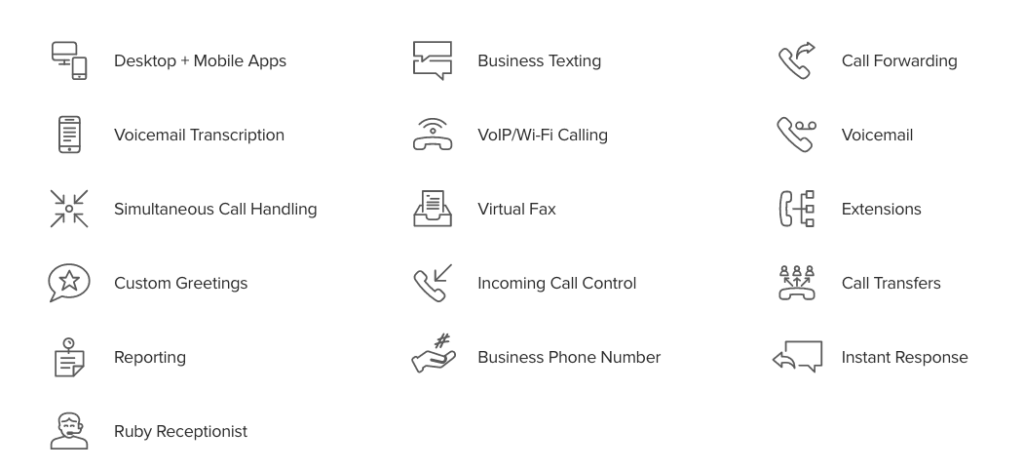
Virtual phone systems like Grasshopper also offer small business owners a platform for business communications. Grasshopper has a ton of functionality (it’s what we use at Alkaloid) and will help prospective clients stay in touch with you in a few ways.
Sales Productivity Tools + Team Communication
In order to help your business grow effectively, good team communication also needs to be in place. Every small business needs a process for keeping up with projects, so work with team members to establish the best way to do that with the resources you have. How can you best stay on top of client information, sales prospecting, and updates on potential customers?
There are several free and low cost tools available to help you stay in touch: Slack, for example, can help you manage sales team communication more effectively. Applications like Google Docs allows team members to share and edit contracts or sales presentations, and Zoom lets you include team members or contractors in virtual meetings.
Project Management + Workflows
Sales professionals are required to keep up with a few projects, along with their prospects and clients. Having a way to manage these tasks is key. We’ll talk more about project management in a future post, but there are a ton of programs and software available to keep your sales pipeline running well.
Applications like Asana and Monday have free and low cost options available for managing projects and their tasks, and offer a wide range of features to help everybody on a project stay on the same page. Paid versions allow you to add more team members and come with other planning tools to help you track sales cycles, support sales reps and marketers, and ultimately turn leads into paying customers.
Grow Your Business With The Right Sales Tools
With a solid strategy, smart small business plan, and effective tools in place, you’ll support your company’s growth. There are a multitude of management software and business communication tools out there, but these were some of the most popular and effective that we’ve come across to help businesses build success. What are some of your favorite sales tools?
Check part 2 of tools for small businesses when our attention turns to marketing.