



Let’s be honest: We’ve all seen them. The desks with nothing but a stray monitor and a layer of dust. The names on Slack that nobody recognizes.
The Ghost Members.
If you’re paying for a coworking membership but spending five days a week in your pajamas on the couch, you aren’t just “supporting the local economy.” You’re lighting money on fire. But more importantly, you’re missing out on the secret sauce that makes coworking actually work.
A traditional office lease is about square footage. Coworking is about energy. When you stay away, the business loses a body, but you lose the opportunities that only happen when humans collide in real life.
Here is why your “ghost” status is hurting you more than your bank account.
1. You’re Missing the “Million-Dollar” Coffee Chat

Let’s talk about networking. On LinkedIn, it’s a chore. On Zoom, it’s awkward. In a coworking space? It’s a side effect of getting caffeine.
Your next big client, your future business partner, or the person who knows exactly how to fix that bug in your code is probably sitting three desks away. But serendipity doesn’t have your home address. It doesn’t knock on your door while you’re folding laundry during a conference call.
When you’re a ghost, you’re getting the worst of both worlds: you’re paying for the access, but you’re still stuck in the “I know someone who knows someone” loop. Show up. Drink the coffee. Make the connection.
2. The “Pajama Trap” is Real (and It’s Killing Your Drive)
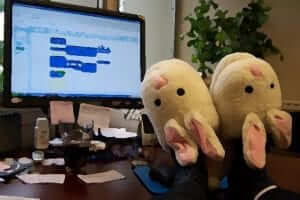
Working from home is great. Until it isn’t. It’s easy to feel like a productivity god for the first hour, but then the fridge starts calling your name, or you realize you’ve been scrolling TikTok for 45 minutes because nobody is watching.
Coworking provides productive peer pressure. There is a specific kind of magic that happens when you’re surrounded by people who are actually doing things. Seeing your neighbor crush their sales calls makes you want to crush yours.
As a ghost member, you lose that accountability. At home, no one knows if you’ve given up on the day by 2:00 PM. In the space, the energy keeps you in the game.
3. You’re Becoming “The Person Whose Name We Forgot”
Community isn’t a perk you buy; it’s a relationship you build. If you only show up once a month, you’re not a member, you’re a visitor.
You’re missing the inside jokes, the impromptu happy hours, and the “hey, I’ve got a lead for you” moments. People refer business to people they know, like, and actually see. If you’re a ghost, you’re invisible to the very ecosystem that’s supposed to be growing your personal brand.
Isolation is the silent killer of the remote worker. Your coworking space is the cure, but the medicine only works if you actually take it.
4. Your Mental Health Needs a “Third Space”

Let’s get deep for a second. When your office is your living room, your work never truly ends. It bleeds into your dinner, your sleep, and your relationships.
Ghost members pay for a “work-life boundary” they never use. By physically going to a space, you’re telling your brain: “Now we work.” And when you leave? “Now we’re home.”
Even if you’re working silently, being around other humans reduces cortisol and boosts your mood. Staring at the same four walls for five days straight isn’t “focused”, it’s a recipe for burnout.
The Bottom Line: Don’t Just Pay, Play.
An empty desk is a tragedy. It represents a connection not made, a project not started, and a person (that’s you) who is settling for “fine” when they could be part of something “huge.”
The space is there. The coffee is hot. The people are waiting.
Stop being a ghost. Show up, take your seat, and let the community work for you.
👉 Click here to book a tour—I can’t wait to meet you!
Quick Tips to Stop Being a Ghost:
- The 2-Day Rule: Commit to being in the space at least two specific days a week. Put it in your calendar.
- Eat in the Kitchen: Don’t hunch over your desk. Go to one of our common areas for lunch (or the lovely patio). That’s where the magic happens.
- Go to One Event: Just one. A happy hour or a “donut Wednesday.” Break the ice and watch what happens.